
Lower heating and cooling costs
Insulated walls retain heat in winter and block heat in summer, reducing the need for constant heating or air conditioning. This directly lowers energy bills in Derrimut’s climate of cold winters and hot summers.
Derrimut Wall Insulation
Cavity wall insulation fills the gap in brick veneer walls to stop draughts and heat loss. Expert Insulation Melbourne installs it in Derrimut homes to cut energy costs and improve year-round comfort.
Share your details and Expert Insulation Melbourne will contact you about Cavity Wall Insulation in Derrimut.
Cavity wall insulation is injected into the air gap between the inner and outer leaf of brick veneer walls. It reduces heat transfer through the walls, which is a major source of winter heat loss and summer heat gain in Derrimut homes. The process involves drilling small holes in the mortar joints, injecting the insulation material and then patching the holes to match the existing brickwork.
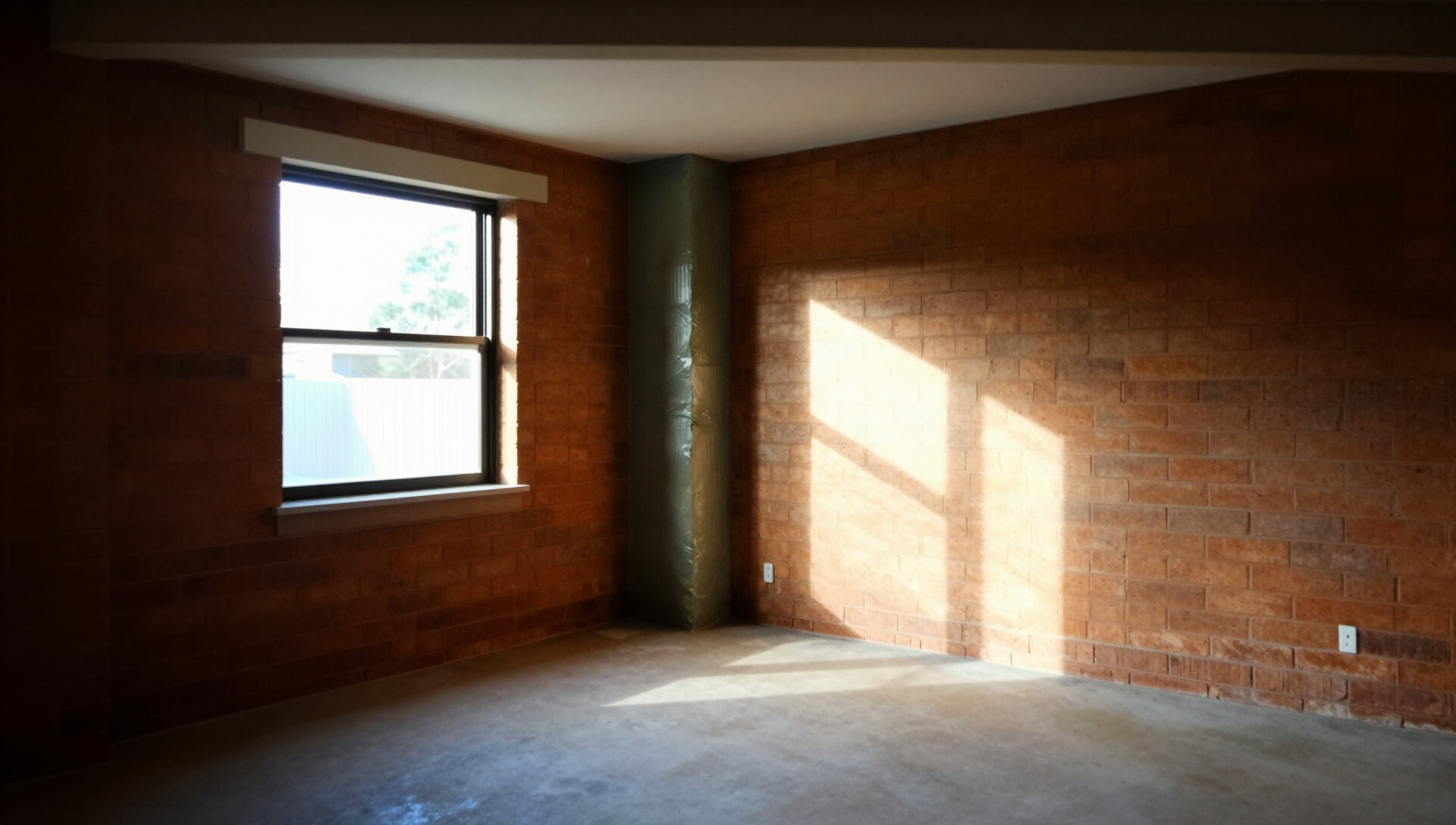
Derrimut’s mix of older brick veneer homes and newer builds often lacks effective wall insulation. Without it, heat escapes in winter and enters in summer, forcing heating and cooling systems to work harder. Cavity wall insulation addresses this by filling the wall cavity to slow heat transfer.
Insulated walls retain heat in winter and block heat in summer, reducing the need for constant heating or air conditioning. This directly lowers energy bills in Derrimut’s climate of cold winters and hot summers.
Fewer cold spots near external walls and less temperature fluctuation between day and night. Rooms stay warmer in winter and cooler in summer without relying solely on HVAC systems.
Uninsulated cavities allow air movement through the wall, creating draughts. Insulation fills these gaps, stopping unwanted airflow while still allowing the wall to breathe.
While primarily for thermal benefits, cavity insulation also dampens external noise from traffic or neighbours, which is useful for Derrimut homes near busy roads.
The process requires only small holes in the mortar, which are sealed after installation. There is no need to remove internal linings or disrupt the home’s interior.
Once installed, cavity wall insulation maintains its effectiveness for the life of the building, with no settling or compression over time.
The installation follows a precise process to ensure full coverage and minimal impact on the home. Each step is tailored to the wall type and condition of the property.
A site assessment checks the wall type, cavity width and condition. Suitability depends on the wall construction and moisture levels. If old insulation is present and may contain asbestos, work stops until a qualified assessor inspects it.
Small holes are drilled into the mortar joints at regular intervals, usually every 500 to 600mm. These provide access points for injecting the insulation material into the cavity.
Loose-fill insulation material, such as mineral wool or cellulose fibres, is blown into the cavity under controlled pressure. This ensures even distribution and fills all voids without compressing the material.
After injection, the access holes are sealed with colour-matched mortar to restore the wall’s appearance. The site is left clean, with all debris removed.
Derrimut’s suburban homes, many built in the 1960s to 1990s, often feature brick veneer construction with uninsulated cavities. This leaves them vulnerable to heat loss in winter and heat gain in summer. Cavity wall insulation is a practical upgrade for these properties, improving thermal performance without major renovations. Nearby suburbs like Deer Park and Caroline Springs share similar housing stock and climate challenges, making this solution widely applicable.
Expert cavity wall insulation for brick veneer homes in Derrimut to reduce energy costs and improve comfort.
Homeowners in Derrimut often have questions about how cavity wall insulation works, its suitability and what to expect. Here are the most common queries.
Cavity wall insulation in Derrimut targets the hidden air gap in brick veneer walls, a common construction in the suburb’s older homes. Without insulation, this cavity allows heat to escape in winter and enter in summer, leading to higher energy bills and inconsistent indoor temperatures. Filling the cavity with insulation material slows this heat transfer, making the home more energy efficient and comfortable year-round.
The process is non-invasive, requiring only small holes in the external mortar joints. These are later sealed to match the existing brickwork, leaving no visible trace of the work. The insulation material, typically mineral wool or cellulose, is blown into the cavity to ensure complete coverage. This method is particularly effective for Derrimut’s brick veneer homes, which often lack wall insulation due to their age.
Costs for cavity wall insulation depend on the home’s size, wall area and accessibility. A larger home with more external walls will require more material and labour. Access can be affected by landscaping, fencing or the height of the walls. The chosen insulation type and the cavity width also influence the price. For an accurate quote, an on-site assessment is necessary to evaluate the specific requirements of the property.
Improve your home’s thermal performance with cavity wall insulation. Contact Expert Insulation Melbourne for a site assessment and quote in Derrimut.